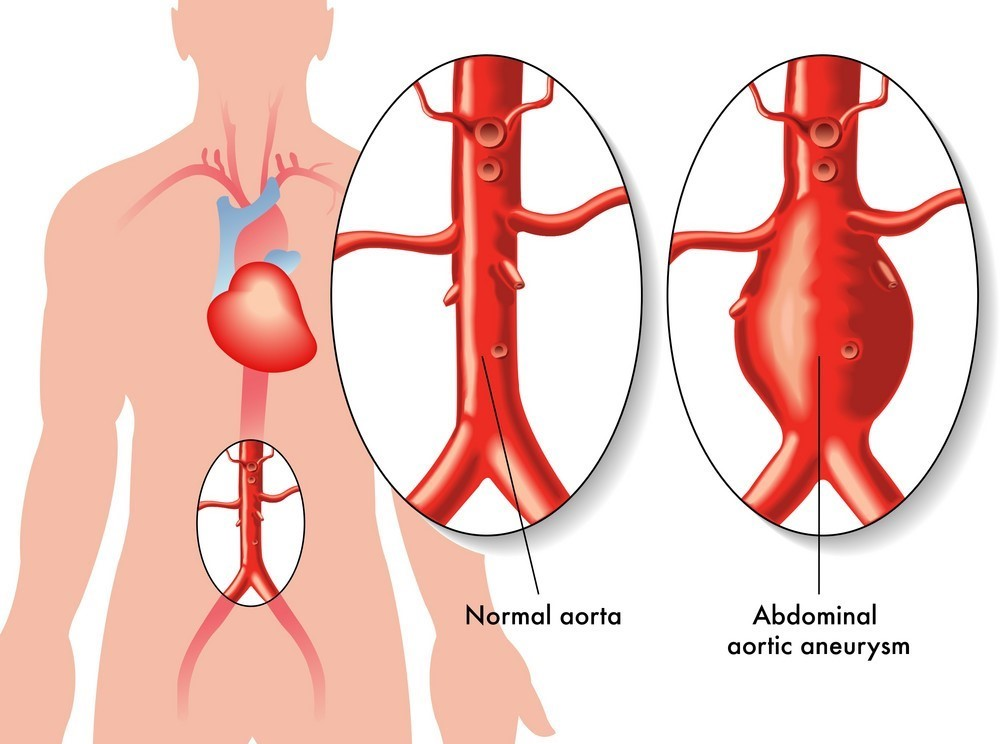
Symptoms
Abdominal aortic aneurysm typically progresses silently. However, in some patients, the following symptoms may be observed:
Abdominal Pain: Mild, vague abdominal pain. Pulsatile Lump: A lump felt in the abdomen or groin area that pulsates with the heartbeat. In Case of Rupture: Internal bleeding with sudden and severe abdominal pain, low blood pressure, and fainting.
Diagnostic Methods
The diagnosis of an aneurysm is typically made using the following methods:
Ultrasonography: Commonly used for initial evaluation. Computed Tomography (CT): Preferred for a definitive diagnosis and measurement of the aneurysm size. Magnetic Resonance Imaging (MRI): Can be used as an alternative imaging method.
Interventional Treatment Methods
The size, location, and the patient's health condition of the aneurysm determine the treatment method. Interventional treatment options can be examined in two main groups:
Surgical Operation
The traditional treatment method involves surgically removing the aneurysm and replacing it with a prosthetic vessel. This method is especially preferred for large aneurysms with a high risk of rupture. The surgical procedure is typically performed under general anesthesia, and the hospital stay may be longer.
Endovascular Repair (EVAR)
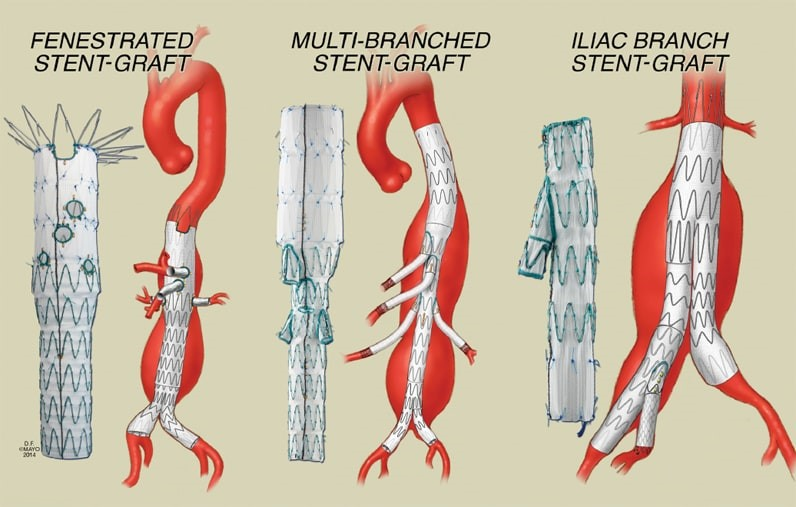
Endovascular repair involves closing the aneurysm using stent grafts placed in the vessel via angiography. This method has become increasingly popular in recent years and offers many advantages:
-
Minimally Invasive: Less invasive compared to surgery. The procedure is performed without large incisions in the body.
-
Fast Recovery Process: The hospital stay after the procedure is short; patients are generally discharged within one day.
-
Lower Risk: The risk of complications is lower in treatments performed through angiography.
-
Anesthesia: General anesthesia may not be required; sedation can be used.
Endovascular Procedure Process
-
Preparation: Necessary tests are conducted according to the patient's condition.
-
Procedure: A catheter is placed into the vein either from the groin or arm in an angiography room. The stent graft is placed at the location of the aneurysm.
-
Follow-up: After the procedure, the patient’s condition is monitored, and necessary checks are performed.
Conclusion
Abdominal aortic aneurysm is a condition that can lead to serious consequences. Early diagnosis and appropriate treatment methods are critical to improving patients' quality of life and reducing potential risks. Interventional treatment methods offer significant advantages to patients with minimal invasiveness and a rapid recovery process. Being aware of risk factors and regular health check-ups play an important role in preventing this disease.
This information is supported by verified medical data from specialist doctor İbadat Hasanov and aims to inform individuals. In every case, the treatment plan is determined specifically for you and is carefully evaluated by your doctors.