Repeatability
The TACE procedure can be repeated if necessary. After the initial treatment, the tumor's size, extent, and response to treatment are assessed. Typically, an average of two chemoembolization treatments are performed on a patient, but some patients may receive more treatments.
Side Effects
The side effects of the TACE procedure are usually short-term and manageable. After the procedure, patients may experience pain in the upper right abdomen, nausea, or vomiting for 1-2 days. These symptoms are treated with medications. Serious complaints are generally rare in most patients.
Follow-up
Follow-up after the procedure is crucial to evaluate the treatment's effectiveness and monitor potential side effects:
Initial Check-up: One month after the procedure, an assessment of the liver and blood tests are conducted.
Imaging: 1-2 months after the procedure, the tumor response is evaluated through imaging techniques such as Computed Tomography (CT), MRI, or PET-CT. Follow-up continues at regular intervals.
Conclusion
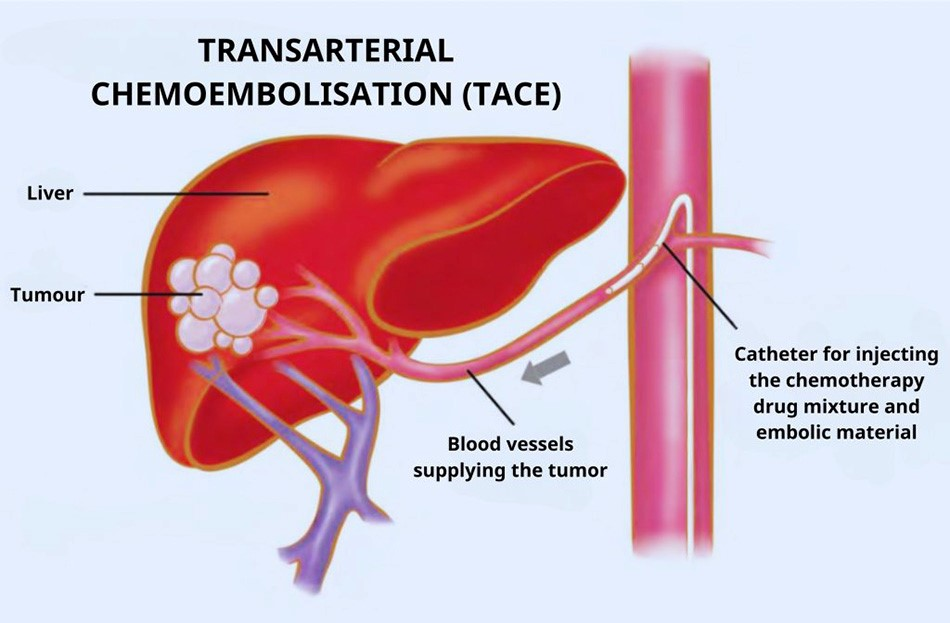
Transarterial Chemoembolization (TACE) provides an effective option for the treatment of liver cancer. By reducing the side effects of chemotherapy, it allows for direct treatment of the tumors. The procedure is typically used for intermediate-stage tumors and can improve quality of life and extend survival. The suitability of the treatment for each patient should be carefully evaluated, and the treatment process should be coordinated with the medical oncology department. TACE may play a broader role in cancer treatment in the future and could become even more effective with advanced techniques.
This information is supported by verified medical knowledge from specialist doctor İbadat Hasanov and is intended to inform individuals. In each case, the treatment plan is tailored to the individual, and this decision is made after careful consideration by your doctors.